'Local' has become one of the least useful words on a menu. Every hotel in Bali claims it. But local imported strawberries in January are still imported strawberries. The more honest question is: is this thing in season, on this island, right now?
Two seasons, not four
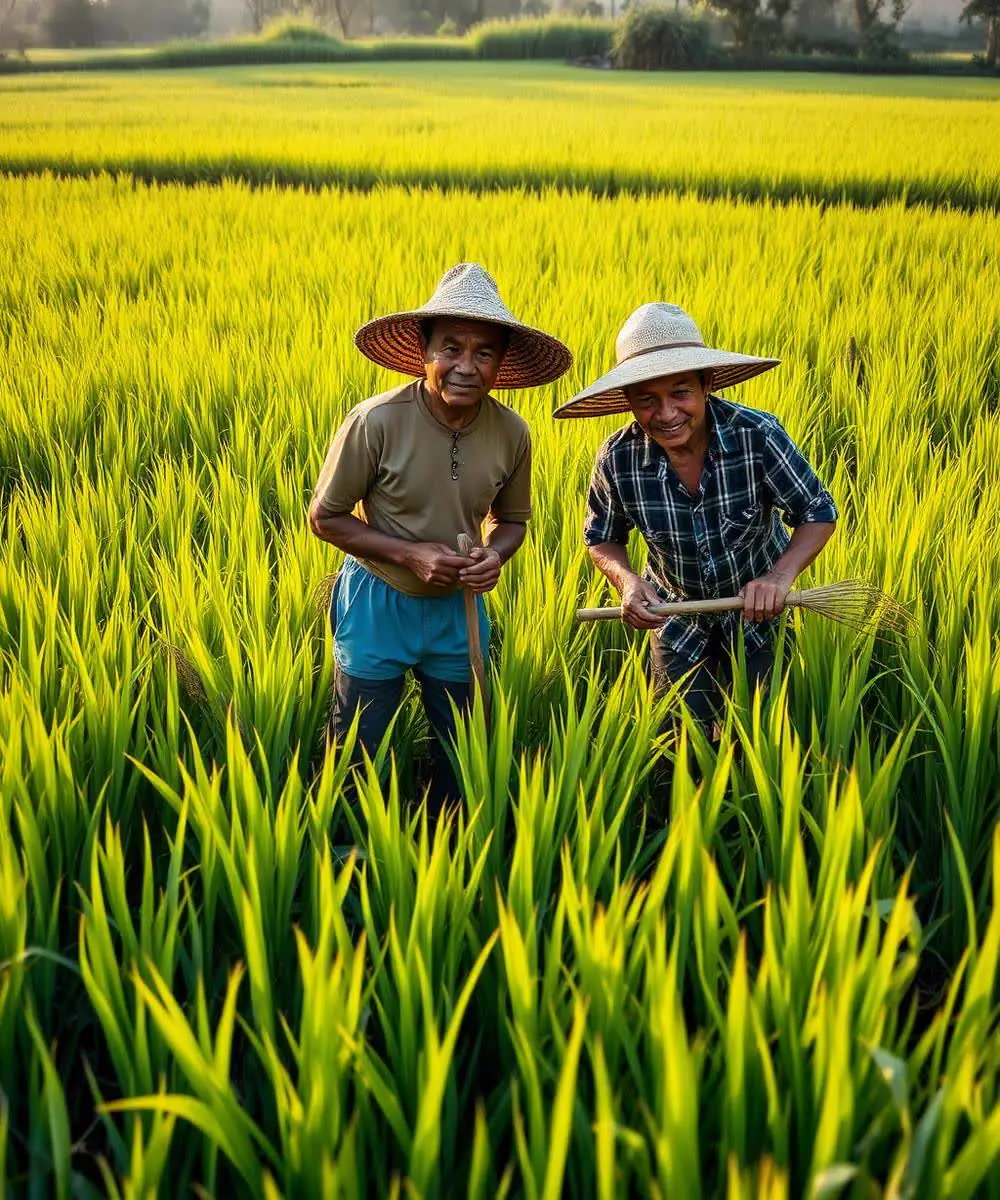
Bali runs on two seasons, wet (roughly November through March) and dry (April through October), and the kitchen follows. Rain feeds the leafy things and the wild greens. The drier months bring the fruits that need heat and sun to concentrate.
A rough month-by-month
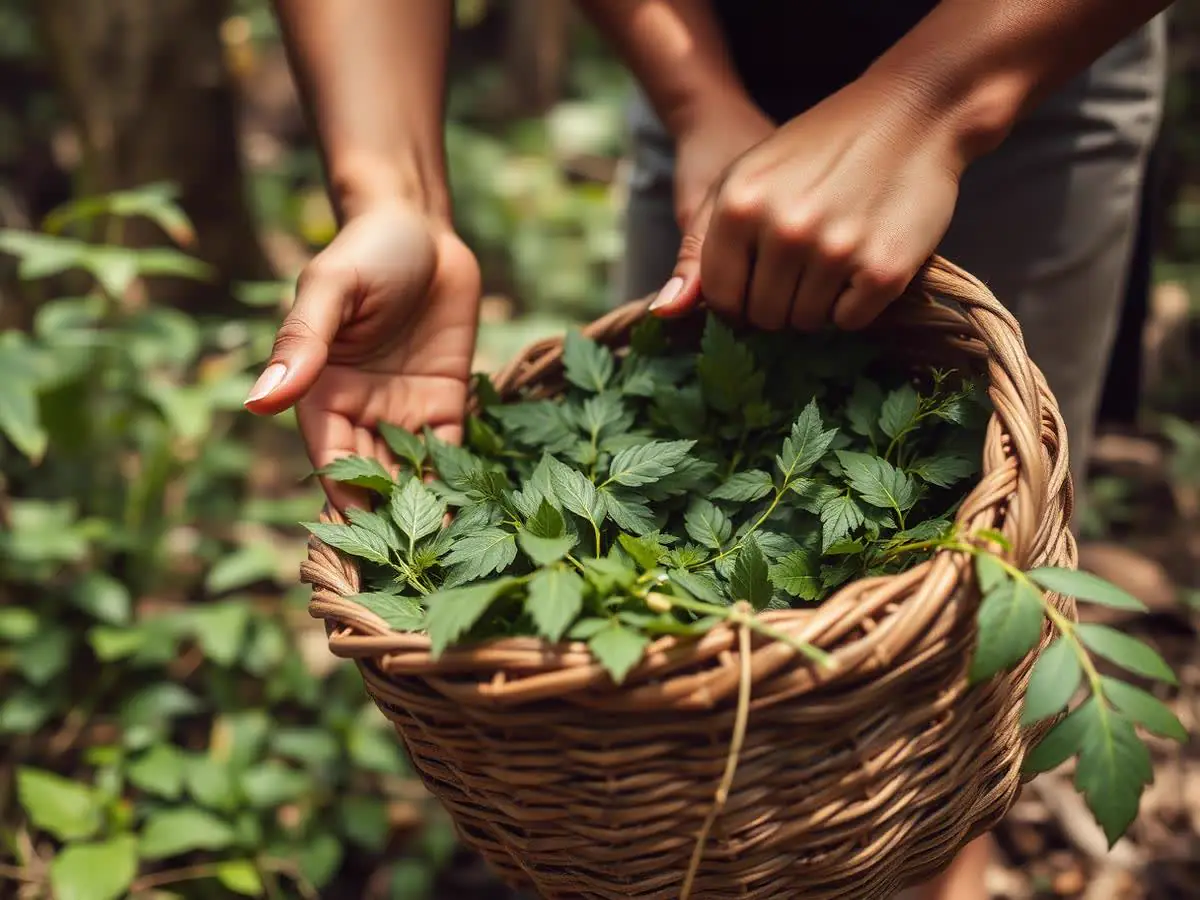
- November–January: Wild greens, papaya leaf, young jackfruit, moringa, rice harvest tail-end.
- February–March: Mangosteen, rambutan, durian if you're brave, the fruit peak of the year.
- April–June: Snake fruit (salak), avocado, first mangoes, coffee harvest in the highlands.
- July–September: Mango, passionfruit, watermelon, chili at its most fiery.
- October: Transition, pomelo, star fruit, and the first proper rains reviving the greens.
Why it matters
Seasonal eating in Bali isn't a moral position, it's just how the island's kitchens have always worked. When you order what's in season, you spend less, you eat better, and the money is more likely to end up with a farmer up the road instead of a cold chain in Java.
The easiest test at any warung: if the dish is written on a paper sign and not on the laminated tourist menu, order that.