Most conversations about sustainable travel in Bali start with carbon and end with a checkbox. The more useful question is smaller and much harder to dodge: where does your rubbish actually go after the bin?
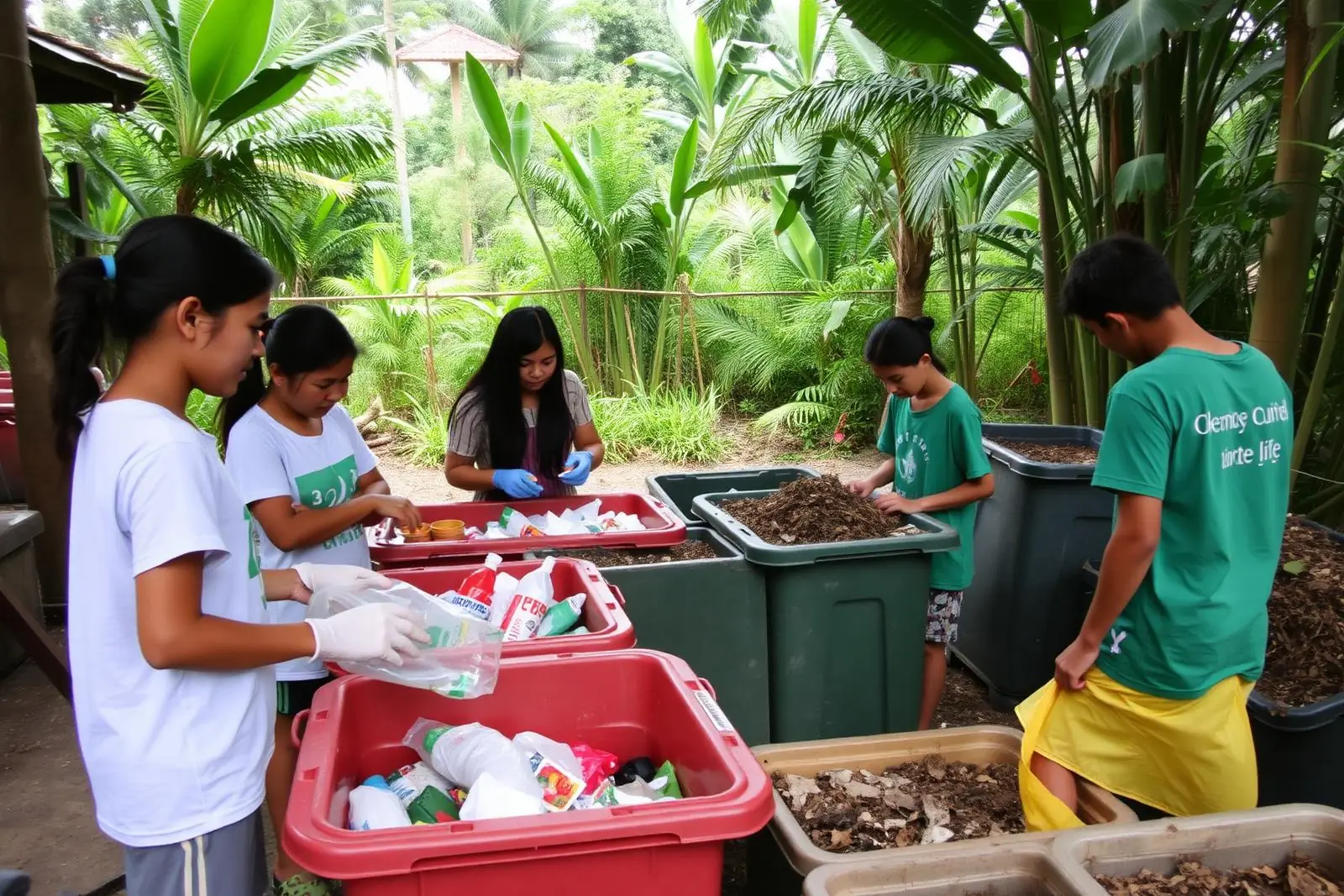
That question is what took us to the Bali Waste Management Training Centre (BWMTC), the training facility we now build our sustainability programs around. It is not a showroom. It is a working site where separation, composting, and reuse are taught to people who then go and run it in their own villages.
Separation is the whole game
Almost every waste problem on the island traces back to one failure: organic and inorganic material getting mixed. Once they are mixed, the organics stop being compost and start being contamination, and the plastics stop being recyclable and start being landfill.
- Separated organics become compost in weeks, and compost is worth money to farmers.
- Separated plastics and glass have a buyer. Mixed waste has none.
- Residual waste, once organics are removed, is a fraction of the original volume.
What we ask groups to actually do
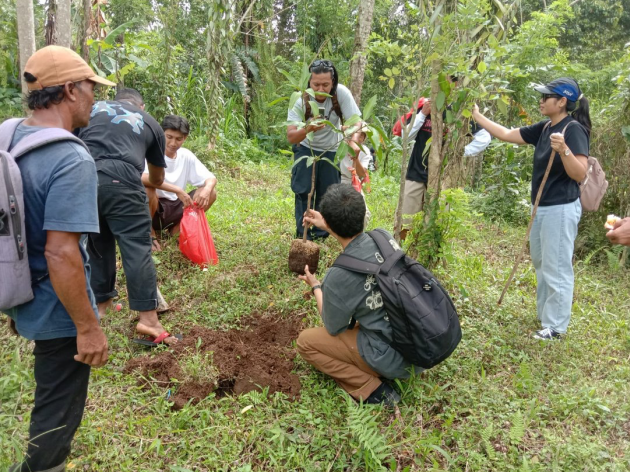
In our programs, waste is not a lecture slide. Teams build a compost bin from a used paint drum. They weave klangsah from coconut leaves that would otherwise be burned. They design something wearable from material already destined for a landfill and then present it.
"People remember the smell of a compost bin they built themselves. They forget the slide about circular economy."
So what does this mean for a traveler?
It means the most useful thing you can do in Bali is not buy an offset. It is refuse a plastic bag, separate your own waste at your accommodation, ask where it goes, and spend one morning learning how the system works from the people running it.
That shift is the point. It stops being an abstraction and starts being a bin, a village, a buyer, and a slow rate of return.